
Your business relies on a growing stack of apps and tools. Each one promises to make work easier, smarter, and faster, but getting them to actually work together? That’s where the challenge begins.
Integrations are supposed to simplify how these tools connect, but somewhere along the way, things got complicated. Every new app added to your stack brings another “simple” request:
“Can we sync this with our CRM?”
“Can it push data to our dashboard?”
“Can we trigger a message when this changes?”
Behind each of those asks is a complex web of APIs, connectors, custom scripts, and constant upkeep. Suddenly, your integration strategy feels less like architecture, and more like duct tape.
But what if you didn’t need to wire systems together anymore?
What if you could just say, “Pull the latest leads from Zoho CRM, update the dashboard in Zoho Analytics, and notify the sales team in Zoho Cliq” and an AI agent just did it?
What if I told you this isn’t some distant future? It’s actually happening right now.
So here’s the real question: If AI agents can figure out now what to do and how to do it, where does that leave APIs?
Why APIs exist and why AI agents could replace them
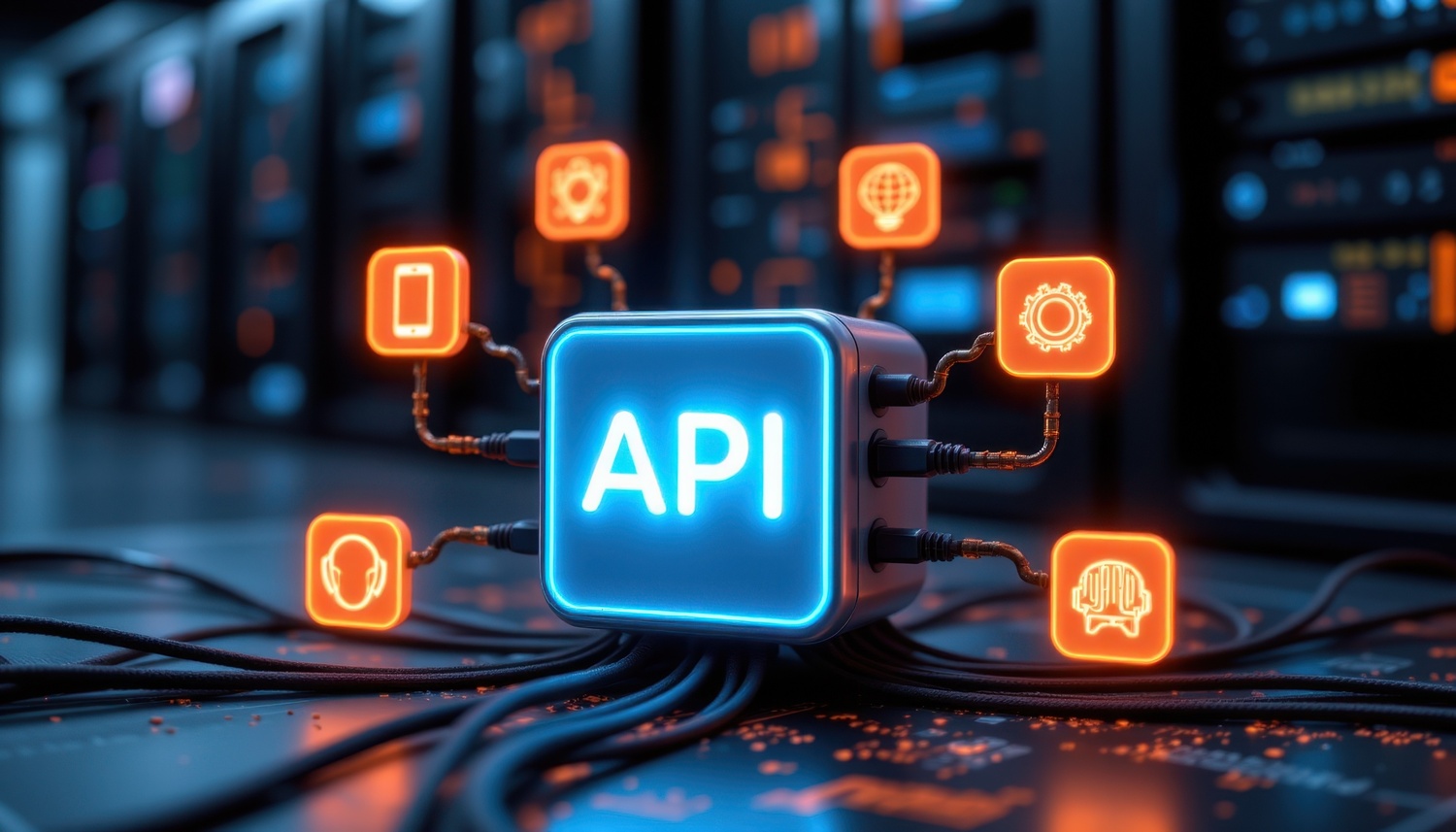
APIs, short for application programming interfaces, were built to make software systems work together. They act as structured contracts with clear rules for requesting data or performing actions.
According to Postman’s 2024 State of the API Report, nearly 74% of organizations follow an API-first approach. The average app uses between 26 and 50 APIs, with many companies releasing new APIs every week.
But as API use has exploded, so has the complexity that comes with it. Managing dozens or even hundreds of APIs often leads to what many call “API sprawl.” Documentation becomes patchy, integration logic gets scattered, and the overhead piles up.
The Stack Overflow Developer Survey found that 62% of developers waste over half an hour daily wrestling with confusing documentation, and 25% spend more than an hour. It’s more than just a nuisance. It chips away at productivity and slows teams down.
This is where agentic AI (AI that understands your goals and can act across multiple systems) starts to change everything. Instead of depending solely on carefully built APIs, these agents can figure out how to get things done by observing system behavior, working with semi-structured data, or even using software interfaces the way a human would.
This opens up new possibilities for integration, especially in cases where APIs are unavailable, incomplete, or slow to implement. It’s not about replacing APIs entirely, but about reducing our overreliance on them and giving businesses a smarter, more adaptable way to connect their tools.
Why this matters to you: What’s changing?
The rise of AI agents is not just a technological novelty; it signals a fundamental shift in how enterprises will approach system integration and workflow automation. Here’s why enterprise leaders should pay close attention:
1. Redefining integration architecture
Traditionally, integration meant designing and maintaining APIs that act as bridges between systems. This demanded ongoing developer involvement to build connectors, update endpoints when systems change, and troubleshoot breakdowns.
AI agents don’t rely on fixed, hard-coded connections like traditional APIs. Instead, they understand your business goals and how different systems work, so they can coordinate actions across multiple platforms on the fly. This reduces the need for building specific connectors, which gives you more flexibility as your tools and needs evolve.
This means enterprises can speed up automation and cut integration delays by letting agents work independently, reducing reliance on development and costly upkeep.
2. Shifting security and compliance models
APIs come with built-in security features like password checks, encrypted data, and access controls that help businesses stay safe and follow rules.
Instead of connecting directly to systems through APIs, AI agents might interact with them by navigating the same screens and controls a human would use. This means they work through the user interface by clicking buttons, filling forms, and reading data—just like a person, but automatically. While flexible, this approach can be less predictable because interfaces can change unexpectedly.
This introduces new security challenges around identity management, behavior monitoring, and auditing. Enterprises must rethink governance models to maintain control over agent actions while preserving security and compliance standards.
This calls for agent-specific security tools such as identity-aware access managers, activity logs, anomaly detection, and explainable AI mechanisms to ensure transparency and accountability.
3. Evolving roles for IT and development teams
As the operational focus moves from building APIs to managing intelligent agents, the skills and responsibilities of developers and IT teams will evolve.
- Developers will spend less time writing and maintaining integration code.
- They’ll focus more on defining workflows, crafting clear business goals, and creating prompts that guide agent behavior.
- IT teams will take on new roles in monitoring agent performance, ensuring compliance, and troubleshooting agent decisions rather than just system failures.
This shift demands reskilling and new tools designed to support these agents.
4. Cost and efficiency gains but with new investments
Replacing traditional API development and maintenance with agent-driven automation promises significant cost savings: fewer developer hours, reduced downtime, and faster rollout of integrated workflows.
However, it also requires investment in:
- Agent governance frameworks
- Security infrastructure tailored for AI-driven operations
- Training and change management for teams adapting to new roles
The total cost of ownership will shift from code maintenance to agent oversight and governance.
But wait are APIs going away?
Not really. APIs aren’t disappearing, and they’re not being “replaced” overnight.
APIs are still incredibly valuable. They’re fast, consistent, and built with security and performance in mind. When systems talk through APIs, everything is well-defined: what data can be shared, how it’s formatted, how long it takes, and what happens when something goes wrong. That level of structure is hard to beat.
AI agents, on the other hand, often interact through user interfaces or less formal data layers. They’re more flexible but also less predictable. A button moves, a layout changes, and suddenly, the agent might need help.
So no, APIs aren’t going anywhere. But what is changing is how they’re used.
Instead of being the primary way teams think about integration, APIs will quietly move into the background. Agents will take center stage, interpreting goals, navigating systems, and using APIs behind the scenes without anyone needing to wire them up manually.
In other words: APIs will still do the heavy lifting, but AI agents will decide when and how to use them.
What should enterprises do now?
- Start small and test AI agents on low-risk tasks like internal requests or expense automation. Track results carefully.
- Invest in governance and set up policies, audit logs, and monitoring to keep agents in check.
- Rethink API strategy with agents in mind by designing them to be machine-readable, event-driven, and easy for autonomous systems to understand and use.
The future is agent-first integration
If APIs have been the common language of integration, think of AI agents as a new dialect, one that’s more flexible, context-aware, and fluent.
Enterprises ready to embrace this change will unlock new levels of agility and efficiency. Those that cling to APIs as the only way forward risk falling behind, building walls when they need bridges.